

Counseling
The impact of violence and trauma does not end after a forensic nursing examination or Adult Forensic Interview.
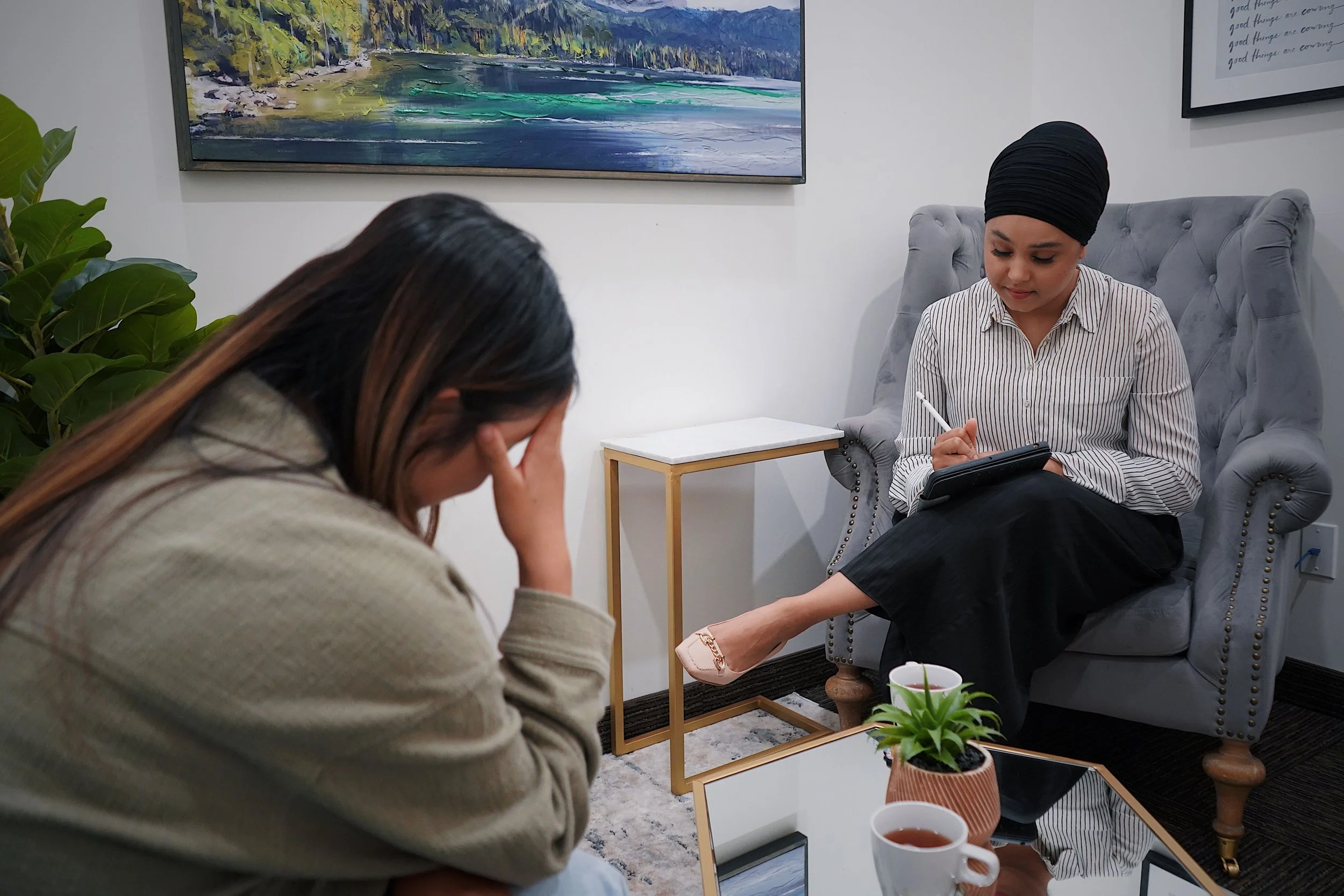
Many victim survivors experience emotional, psychological, and behavioral responses following traumatic events. Counseling can play an important role in helping individuals process their experiences, develop healthy coping strategies, and support long-term healing and recovery.
TXFNE recognizes the importance of mental health support as part of a comprehensive, trauma-informed approach to care.
Counseling services may be available to individuals who receive forensic nursing services or participate in an Adult Forensic Interview (AFI) through TXFNE. Counseling needs are evaluated through the advocacy process and may be addressed through counseling services provided by TXFNE or through referrals to trusted community counseling providers.
Supporting Healing Beyond the Initial Crisis
How Counseling Can Help
Counseling provides a confidential, judgment-free space where individuals can explore their experiences, strengthen coping skills, and work toward healing.

Process Trauma

Improve Emotional Wellbeing

Express Emotions & Thoughts

Build Resilience

Develop Healthy Coping Strategies

Support Healing & Recovery
A Trauma-Informed Approach
TXFNE is committed to providing counseling through a trauma-informed, survivor-centered approach.
Trauma-informed counseling recognizes the lasting impact trauma can have on emotions, relationships, decision-making, and daily life while promoting safety, trust, empowerment, and choice.
Our goal is to create an environment where every individual feels supported, respected, and heard throughout the healing process.

What to Expect
Counseling services are individualized based on each person's needs, goals, and circumstances.
When counseling services are provided through TXFNE, participants engage in short-term, goal-focused counseling designed to support healing, strengthen coping skills, and promote recovery.
Sessions are typically 50 minutes in length. Counselors work collaboratively with participants to establish meaningful goals, monitor progress, and ensure services remain focused on each individual's unique needs.
Confidentiality
Privacy is an important part of the counseling process.
Information shared during counseling sessions is kept confidential except in limited circumstances where disclosure is required by law, such as concerns about immediate safety or reports of abuse.
Counselors review confidentiality and its legal limitations with participants before services begin.