

Forensic Nursing
Texas Forensic Nurse Examiners (TXFNE) provides 24/7/365 access to specialized forensic nursing services throughout our service areas.
As the creator of the broadest regional forensic healthcare network in Texas, TXFNE helps ensure patients have access to specialized forensic nursing services when and where they are needed most. Today, TXFNE serves 44 counties across four regions of Texas through a network of healthcare facilities, community partnerships, and specially trained forensic nurses.
Our forensic nurses provide compassionate, patient-centered care for individuals who may have experienced violence, abuse, neglect, exploitation, or trauma while supporting health, safety, healing, and informed decision-making.
Specialized Forensic Healthcare When You Need It Most
TXFNE By the Numbers
-

44
Counties in Texas Served
-

24/7/365
Access to Forensic Medical Care
-

4
Regions in Texas
-

200+
Healthcare Facilities Served
Nation’s First and Texas’s Largest Adult Forensic Interview Program
What is Forensic Nursing?
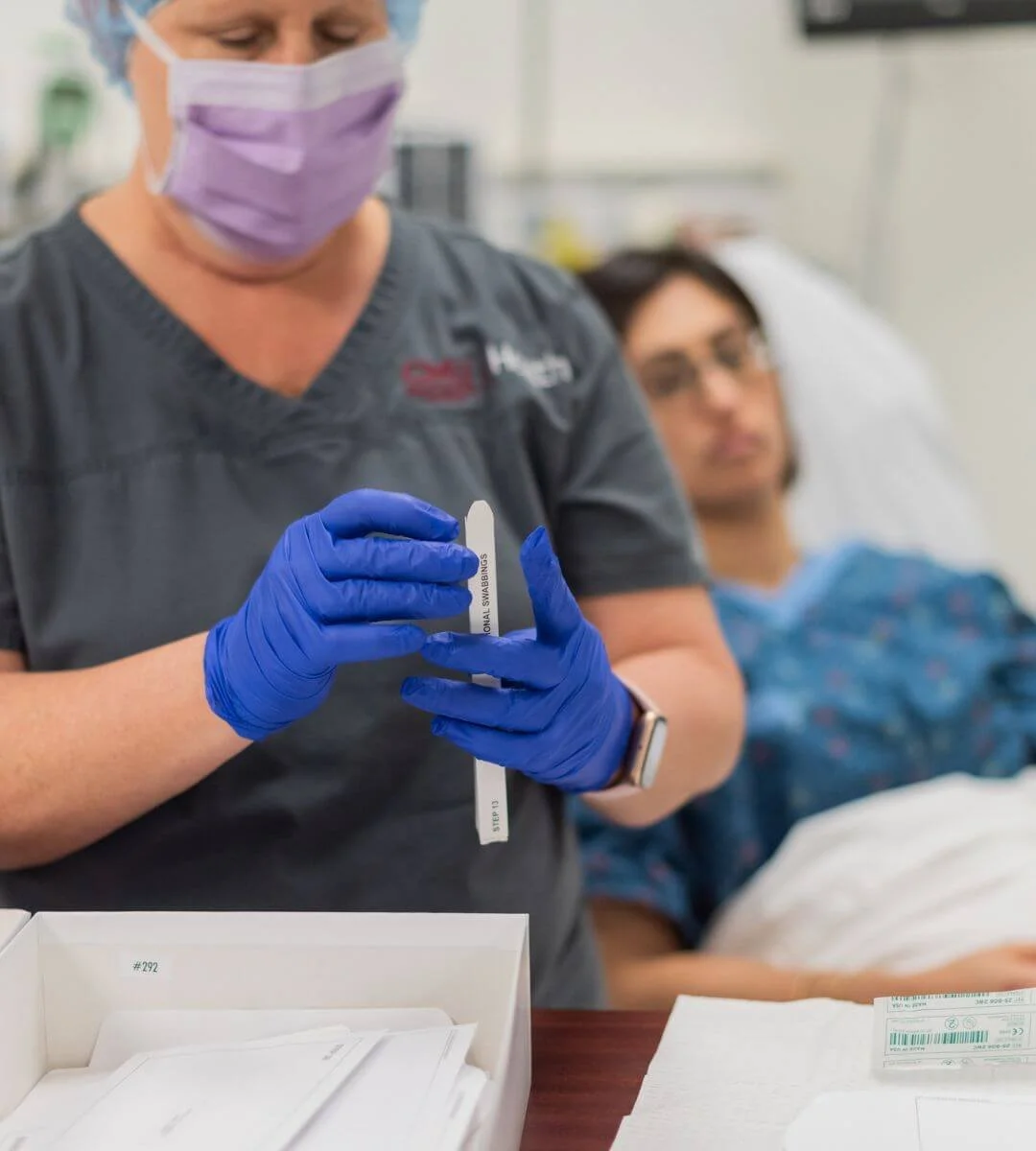
Forensic nursing is a specialized area of healthcare focused on caring for patients impacted by violence, abuse, neglect, exploitation, and trauma.
Forensic nurses address both a patient's immediate healthcare needs and, when appropriate, the collection and documentation of forensic evidence. Services are available regardless of whether a patient chooses to report to law enforcement.
We Provide Care For Individuals Who May Have Experienced:
Sexual Assault
Family Violence
Strangulation
Human Trafficking
Child Abuse
Elder Abuse
Forensic nursing services may include medical forensic examinations, injury assessment and documentation, evidence collection and preservation, advocacy referrals, follow-up support, and connections to community resources.
What is a forensic exam?
A medical forensic examination is available to individuals who may have experienced sexual assault, human trafficking, family violence, physical assault, strangulation, child abuse, elder abuse, or other forms of violence.
Performed by a specially trained forensic nurse, the examination addresses immediate healthcare needs while also documenting injuries and, when appropriate, collecting forensic evidence. Every examination is conducted with compassion, respect, and a commitment to preserving each patient's dignity.
You Control Your Care
Receiving a medical forensic examination is always voluntary. You are in control throughout the examination process and decide which services you wish to receive.
You may:
Choose whether to receive a medical forensic examination.
Decline any portion of the examination.
Decide whether forensic evidence is collected.
Stop the examination at any time.
Choose whether to speak with law enforcement.
You do not have to report to law enforcement to receive a medical forensic examination.
Our role is to provide compassionate care, explain your options, answer your questions, and support the decisions that are right for you.

7 steps to a Forensic Exam:
Informed Consent
The forensic nurse explains the examination process, answers questions, and reviews available options. Patients (or legal guardians, when appropriate) provide consent and may decline any portion of the examination.
Medical Forensic History
The nurse reviews medical history and gathers information necessary to provide appropriate healthcare and guide the examination.
Physical Exam
A head-to-toe assessment is completed, and any injuries or findings are carefully documented.
Anogenital Exam (If Applicable)
The nurse will check the genital area and anus, documenting and photographing any injuries or abnormalities.
Evidence Collection (If Applicable)
Evidence can be collected from sexual assault patients for up to 120 hours after the assault, which may include swabs, clothing, and toxicology tests.
A forensic examination is still possible if the assault occurred outside this timeframe.
Medication and Medical Treatment
The nurse may discuss medications to prevent sexually transmitted infections, additional preventive treatments, follow-up care, and referrals based on the patient's needs. Treatments may be required and performed in the hospital.
Safety and Discharge Planning
Patients receive information about advocacy services, follow-up medical care, safety planning, and community resources to support continued healing.

Receiving a forensic examination is voluntary. Patients may decline any portion of the examination, stop the process at any time, and choose whether to speak with law enforcement.
Beyond the Examination
Healing often continues after the forensic examination is complete.
Patients who receive forensic nursing services through TXFNE also have access to advocacy services, follow-up support, Crime Victims' Compensation information, referrals to community resources, language assistance, and other services that promote ongoing recovery.
Professional, Objective Care
TXFNE forensic nurses provide independent, evidence-based healthcare guided by professional standards and clinical expertise.
Our role is to provide compassionate medical care, objectively document findings, preserve the integrity of the forensic process, and support informed decision-making. TXFNE does not determine guilt, advocate for a particular legal outcome, or serve as an investigative agency.
Accessible to Everyone
Professional interpretation services and language assistance are available to support patients throughout the forensic healthcare process. Accommodations may also be available based on an individual's communication needs, disability-related needs, or other circumstances.
There Is No Cost to Patients
TXFNE forensic nursing services are provided at no cost to patients.
Financial concerns should never prevent someone from seeking healthcare, information, or support following violence or trauma.
Need a Forensic Examination?
TXFNE provides specialized forensic nursing services 24 hours a day, 365 days a year throughout our service areas.
Whether you are seeking care for yourself, helping a loved one, or looking for information on behalf of a patient, our team is available to help.